Couture / The explainer
Haute couture vs ready-to-wear: what is the difference?
A clearer vocabulary for appreciating high fashion, without using couture as a synonym for expensive.
Couture is easier to understand when you separate the term, the making and the image. Follow this route from haute couture and ready-to-wear to the structures inside a silhouette, then look at documented designers and museum objects.
Begin with the distinction between haute couture, ready-to-wear and the looser use of “couture” in fashion language. A dramatic appearance alone does not tell you how a garment was made or which category a collection belongs to.
A clearer vocabulary for appreciating high fashion, without using couture as a synonym for expensive.
A sheer fabric can hold a crisp edge or collapse into soft folds. Look at the outline before zooming into the decoration: fullness, support and the placement of seams can explain a dress as much as its surface.
Two translucent fabrics, two different ways of creating volume. Start with how the cloth falls, not how much you can see through it.
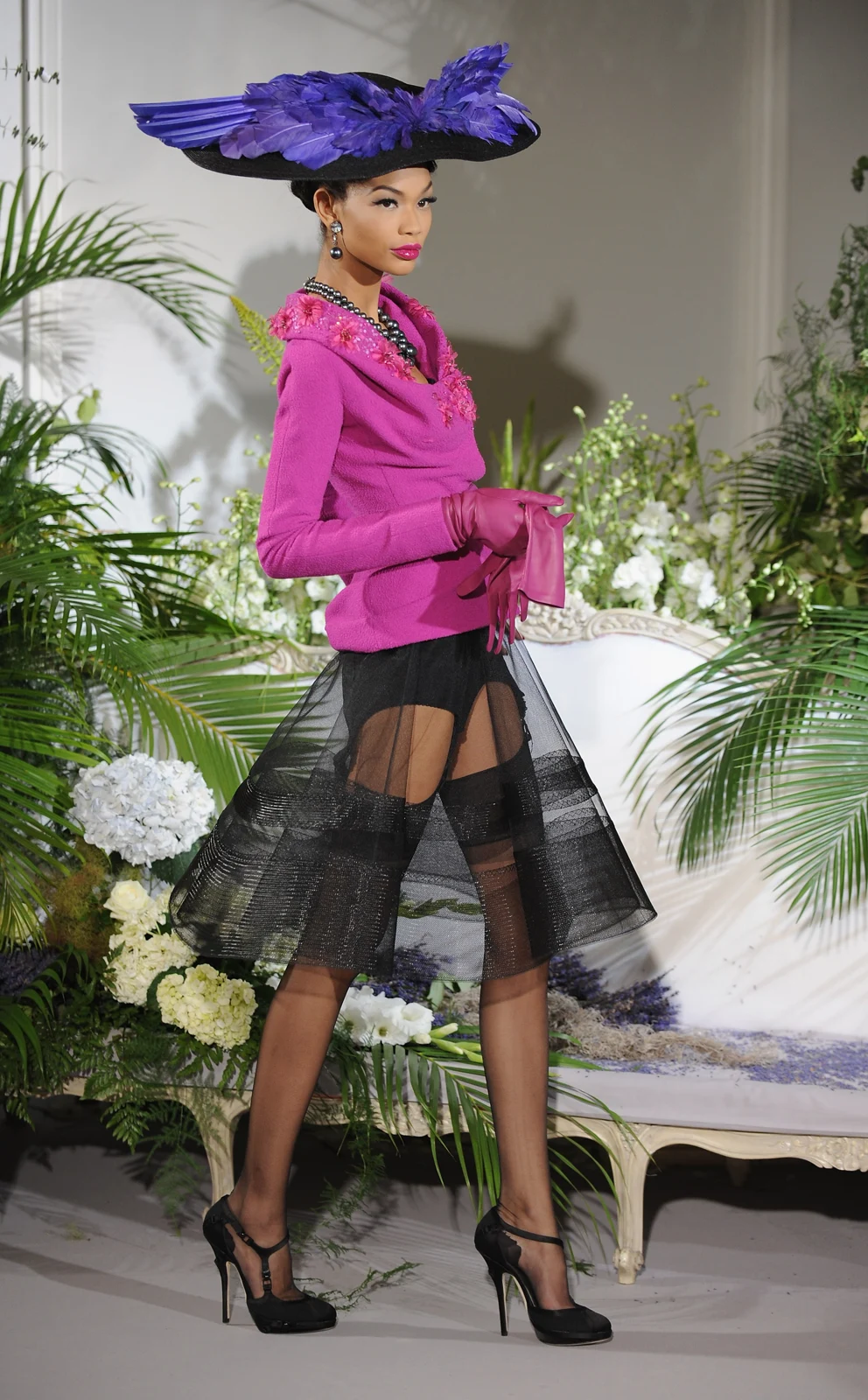
A Dior couture photograph from Paris offers a different way to study volume and proportion.
An evening dress can be studied through its support, balance and changing outline, as well as its surface.
Compare Dior’s botanical references with Schiaparelli’s expressive details. These articles separate documented references from editorial interpretation; dates and sources help keep different collections and eras distinct.
Jonathan Anderson’s couture debut connects botanical forms, collecting and the possibilities of handwork.
Daniel Roseberry’s The Agony and the Ecstasy offers a useful reminder: fashion can be an experience before it is an outfit.
Museum records can reveal a garment’s materials, maker, date and construction. Read those details alongside the photograph rather than treating an isolated image as the whole history.
Read the object record as carefully as the photograph. A small set of fields can turn an attractive image into a reliable reference.
For house histories, continue to the designer guides. For current collection notes, visit the runway notebooks.
