Bella Hadid’s fashion style is better approached as a collection of references than one permanent aesthetic. Vintage dressing, Western details and polished event clothes can all appear in that collection. The interesting question is how to borrow one idea while still dressing for your own day.
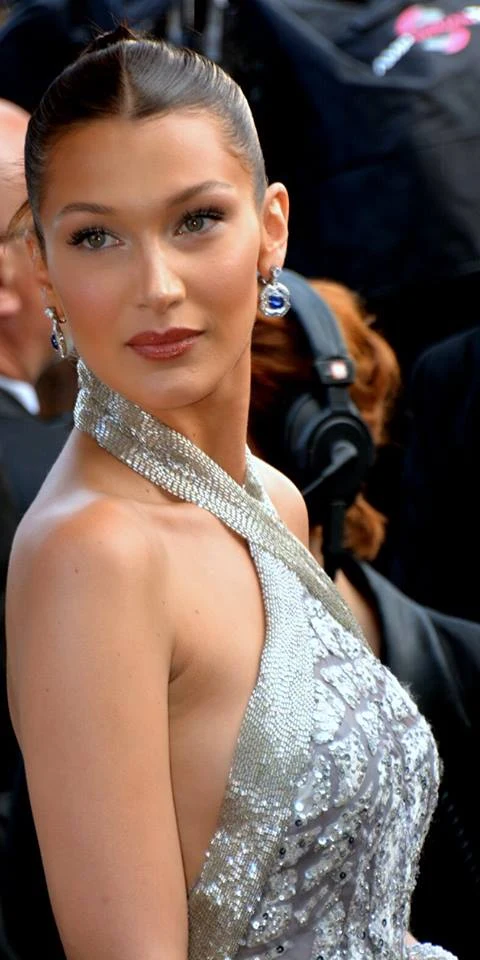
We are looking at dated examples rather than treating every social-media moodboard as evidence. The real Cannes photograph above is from 2018 and serves as an archival evening reference. The more recent daytime looks are described and sourced separately. The outfit exercises are our own suggestions.
A 2026 vintage reference: a cream dress and short yellow jacket
During New York Fashion Week in September 2026, Vogue documented Hadid in a cream Valentino dress from Spring 1996 beneath a cropped butter-yellow silk blazer. The dress had a bow-like gathered bodice. It is a useful example of relating neighbouring pale colours while changing the length of the outer layer.
Try the colour relationship: take a light dress and hold a slightly warmer pale jacket beside it. Look at them together in daylight. If their colours feel too similar, try changing the texture rather than adding a third colour. A matte layer over a gently reflective one may provide enough separation.
Next compare a short jacket with a longer cardigan. Look at how much of the dress’s waist or bodice remains visible in each version. If that detail is the reason you like the dress, choose a layer that makes room for it. If you prefer a quieter outline, covering more of the bodice may be exactly right.
Western references: boots, texture and one clear decision
A Vogue report from October 2025 recorded Hadid in a brown sleeveless ribbed turtleneck, tan trousers with chaps-like decoration and Khaite Dallas boots in brown suede. That outfit combined several Western references. For an everyday adaptation, you can choose just one rather than reproducing the entire look.
Start with boots or a belt you already own and put them beside otherwise familiar clothes. A boot with a distinctive toe changes the lower outline; an embellished belt draws attention towards the waistband. Decide which area you want to emphasise before adding another detail.
For boots under trousers, check the shaft as well as the toe. If the fabric catches on the top of the boot, try a wider lower leg or another boot rather than constantly pulling the trousers down. For boots worn visibly, compare the space between the hem and boot top while sitting as well as standing.
How to use a vintage reference without chasing an exact piece
The value of an archive reference is often in its construction or proportion. Write down what interests you before searching: a narrow lapel, a gathered neckline, a short jacket, a dark wash or a particular drape. Those observations are more useful than searching only for “Bella Hadid outfit.” They can lead you back to pieces you already own.
If you do look at second-hand clothes, compare the garment’s measurements with something that fits comfortably. Ask for shoulder, chest, waist and length measurements as relevant; the label size alone is a weak comparison across brands and decades. Check the lining, closures and any disclosed repairs. A useful find needs to work as clothing, not simply resemble a photograph.
Our guide to garment lining explains why an interior matters, while museum fashion research shows how to separate a documented date from an impression of an era.
The Cannes archive: jewellery and the neckline
Georges Biard’s 2018 photograph shows a reflective halterneck outline with blue-stone drop earrings. The neckline itself occupies the area where a necklace might otherwise sit. Looking at this detail is a useful reminder that clothing can provide its own decoration. The source does not identify the garment’s maker, and we are not assigning one.
Try a high or decorated neckline with earrings alone. Then compare it with a plain neckline and the same earrings. The jewellery has not changed, but the space around it has. This is a small exercise you can repeat without buying anything or reproducing an event outfit.
Choose your reference before combining everything
- For a vintage mood: start with one distinctive construction detail and keep the other garments familiar.
- For a Western accent: begin with the boots or belt, then check how the neighbouring hems behave.
- For an evening reference: choose whether the neckline or jewellery should hold the attention.
You do not need to combine all three directions. Wear the outfit for an ordinary task and note what you keep adjusting: a bag strap, sleeve or hem. Those practical observations are more helpful than deciding whether you have successfully copied someone else’s style. For another way of mixing polished and worn surfaces, continue to Inde Navarrette’s style guide.
Sources & further looking
Vogue — Bella Hadid’s vintage looks at New York Fashion Week, September 2026Vogue — Bella Hadid’s Western outfit, October 2025Historical, material and collection references are linked above. Styling exercises and interpretations are our editorial suggestions.
Continue with the celebrity style guides, or read our editorial policy.