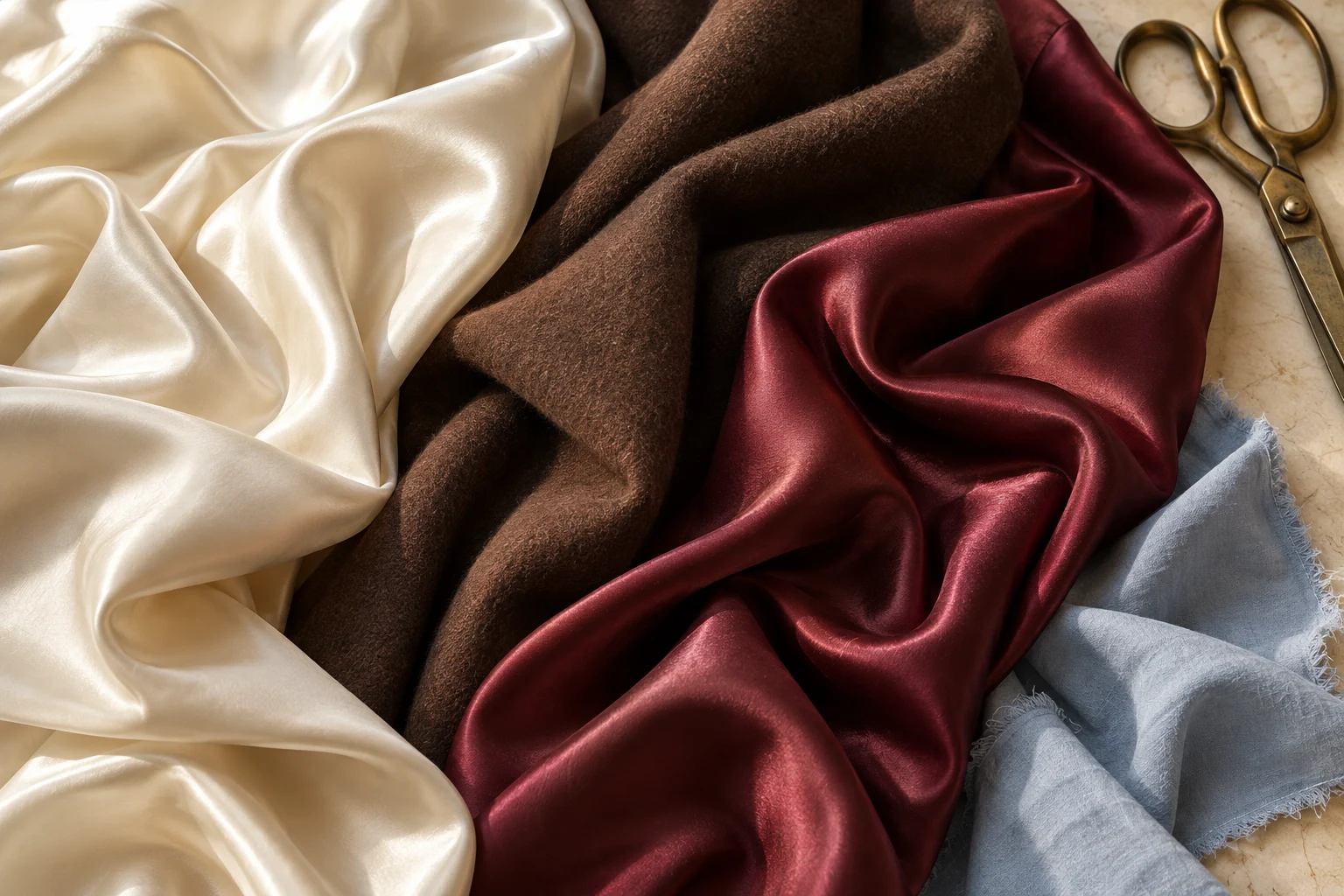
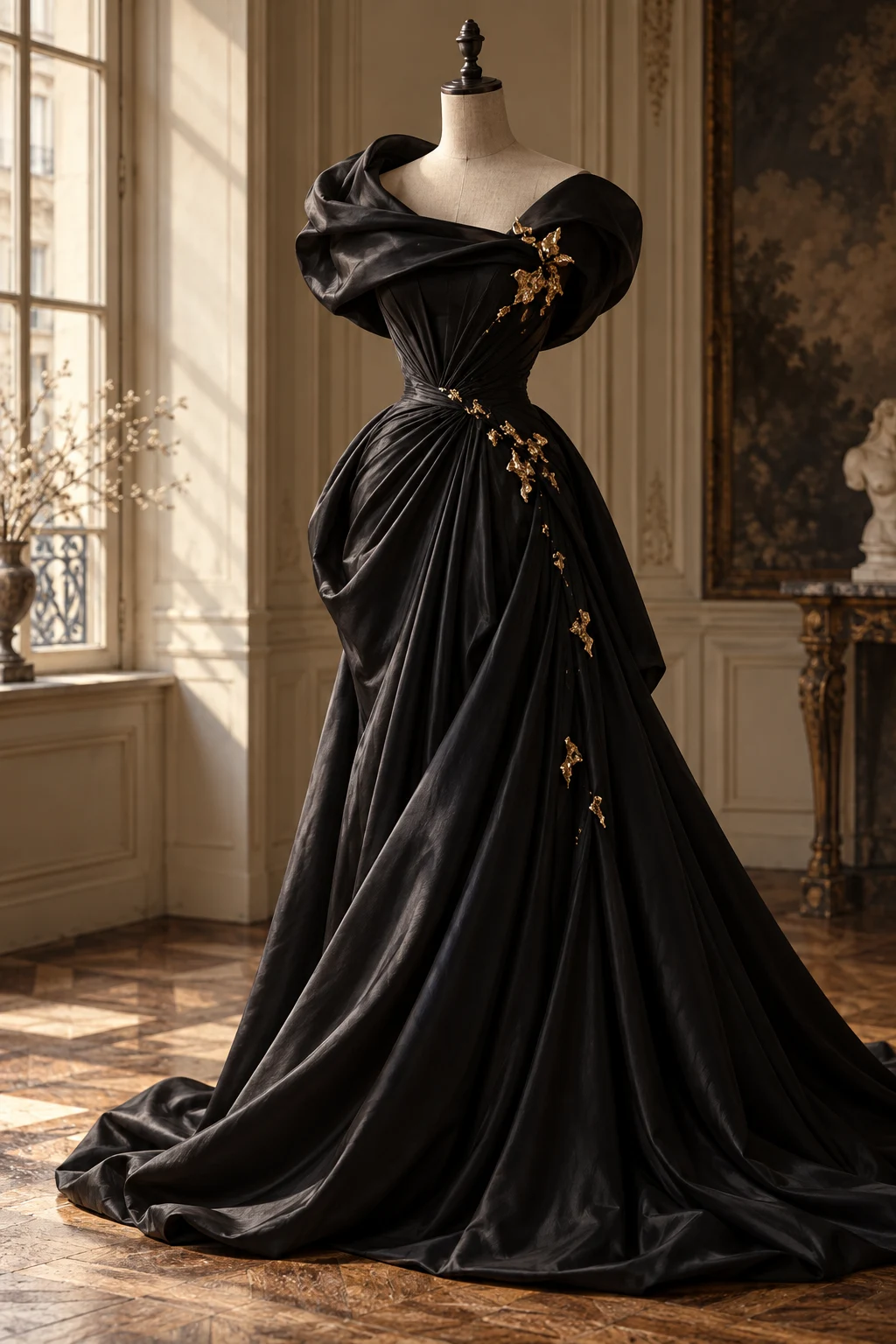
A skirt can look fluid on its hanger yet catch when you walk. A jacket can look soft but feel awkward over a knit. Before blaming the outer fabric, pay attention to what sits between it and the body.
Lining is not every hidden layer
A lining forms an inner layer of a garment. Underlining is attached to the outer pieces so the layers work together during construction. Supporting interfacings and canvas serve other structural purposes. Seamwork’s underlining tutorial explains the distinction between lining and underlining; it is useful vocabulary when asking how an item is made.
Four things to observe
- Movement: does the inner layer move easily over the clothing beneath it?
- Reach: can you sit, bend or reach without the lining feeling tighter than the outside?
- Visibility: does the lining provide the opacity you want in ordinary light?
- Rest: does it remain inside the intended hem and openings when you stand naturally?
These checks describe your experience. They do not identify the fibre or prove that an item is poorly made. A particular silhouette can require a controlled lining, while a fluid design may need more freedom.
Read the composition separately
The outer material and lining may have different fibre contents. Look for both on the label. Do not assume a silk outer garment has a silk lining, or that a specific lining fibre will guarantee comfort in every season. Construction, fit and personal sensitivity also matter.
An imagined example
Suppose a loose skirt feels comfortable over bare legs but catches over a textured base layer. Before changing the skirt’s size, compare it with a smoother underlayer you already own. If the behaviour changes, the interaction between surfaces is relevant. That is a useful observation to bring to a tailor; it is not a diagnosis of the exact construction problem.
Check the whole garment’s care
Trims, linings, outer fabric and support layers can react differently to treatment. Follow the complete garment’s care instructions rather than choosing a cleaning method from the outer fibre alone. For valuable or delicate items, ask the maker or an appropriate specialist about an uncertain label.
The inside deserves attention because it affects how the outside is experienced. A beautiful silhouette is easier to enjoy when the garment moves comfortably through the day.
Sources & further looking
Seamwork — How to sew an underliningHistorical, material and collection references are linked above. Styling exercises and interpretations are our editorial suggestions.