What makes a fashion creator worth following once the first striking outfit has passed? For this October 2026 notebook, we chose three people whose public interviews offer something more useful than a list of products: a way of deciding what to keep, repeat or change. Elise Hoogerdijk, Karen Napoly and Lisa Napoly share an interest in clothes that work beyond a photograph, but they do not describe the same approach to style.
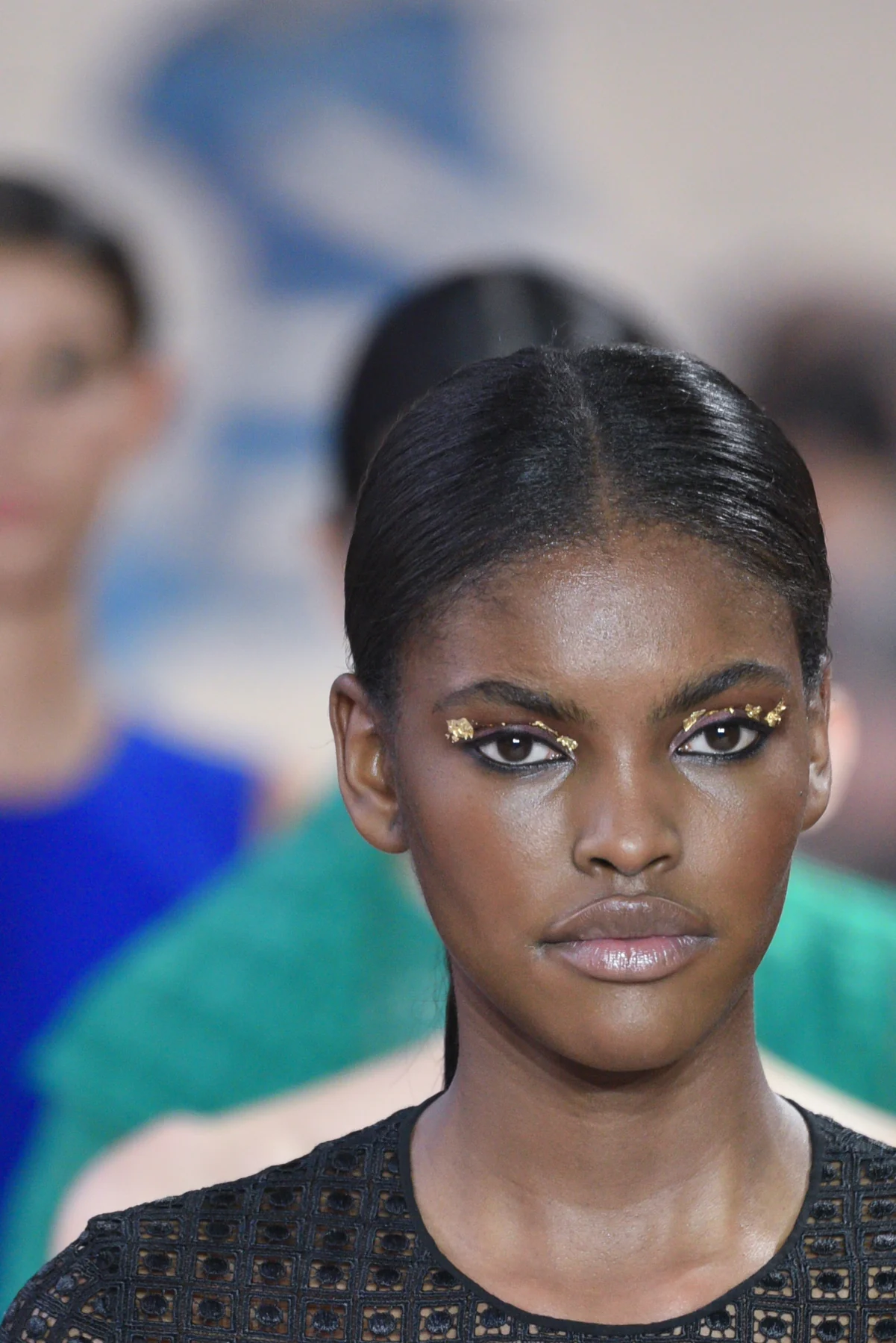
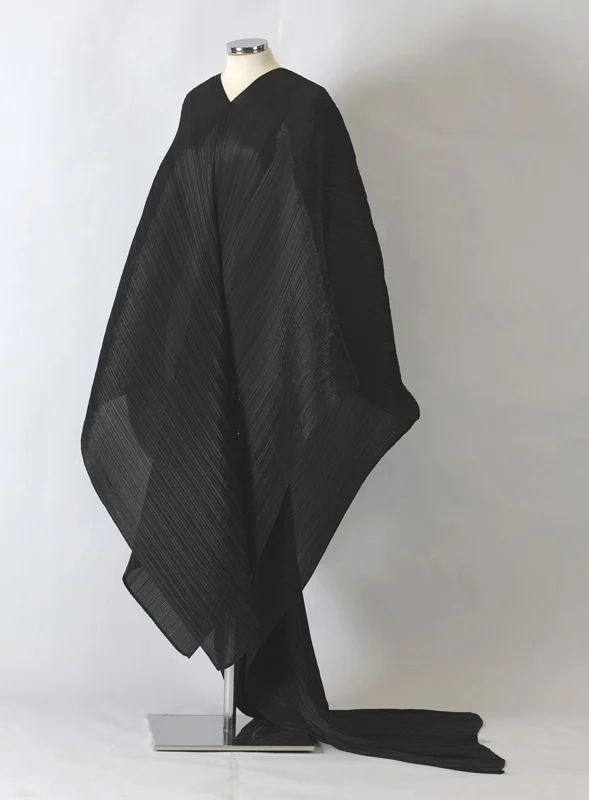
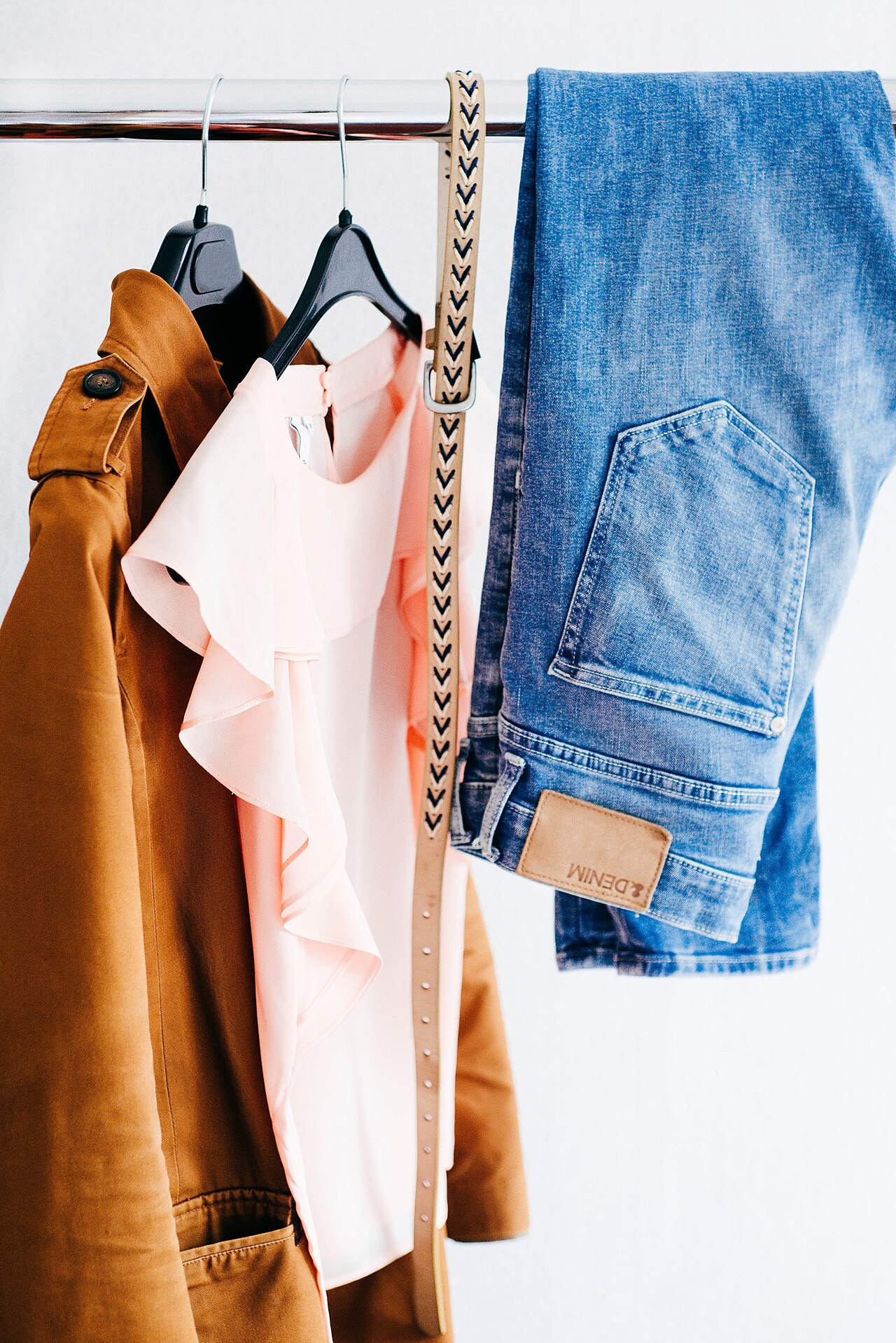
This is an editorial selection, not a ranking of influence or a prediction about who will become famous. The details below come from their own published interviews and a dated fashion-week image record. Where we suggest an outfit exercise, that is our interpretation rather than advice the creators gave us. We have not interviewed them for this story. The photographs here illustrate clothing and texture; none show the three creators or document what they wore.
Elise Hoogerdijk: make the ordinary piece count
Elise Hoogerdijk described her move from modelling and marketing work into building a fashion business in a 2024 interview with Le List Magazine. She said repeated questions about her simple wardrobe staples helped lead to Pure Basics, a line of T-shirts, sweaters and relaxed sets. Her public LTK page describes her as based between Antwerp and Amsterdam and shows fashion alongside beauty and accessories.
The interesting question in her wardrobe is not whether a basic T-shirt is fashionable. It is what happens when the base stays familiar and the proportion changes: a longer jacket over a close top, an easy trouser with a more deliberate shoe, or a relaxed set taken outside its original casual context. In the interview, Hoogerdijk named Rosie Huntington-Whiteley as a style reference and spoke about putting her own spin on inspiration rather than copying what she sees online. Those comments make her a useful reference for someone who likes a restrained wardrobe but wants it to feel considered.
Try the idea: pick the plainest top you wear often. Make three outfits with it, changing only the outer layer or the shoe. Photograph the combinations for your own reference. Which one changes the shape most without asking you to buy anything? For more on repeating a piece across different days, see one garment, five settings.
Karen Napoly: collect references, then edit them
Karen Napoly and her sister Lisa have written together on Twin Flame The Edit. Karen describes saving looks she likes in a folder, then deciding whether she can recreate a feeling with clothes she owns or whether one missing item would genuinely help. That is a more useful account of inspiration than treating every saved image as an instruction to shop.
She also describes experimenting before trying to define a permanent personal style. In the same Q&A, she speaks about studying images on Instagram and Pinterest while keeping the final decision tied to what feels good to wear. The distinction matters: a reference photo can reveal a proportion, a finish or a mood even if its price tag and exact pieces are irrelevant.
A dated Getty Images caption places Karen and Lisa together outside a Paris Haute Couture Week show on 9 July 2026. Karen's look is described as a blush ruffled dress with a black clutch; the caption identifies Lisa's look separately. The image is evidence of one fashion-week appearance, not proof of a fixed everyday uniform. We link to the licensed image rather than reproducing it.
Try the idea: save three outfits that appeal to you, but write down only the common decision: perhaps a broad shoulder, a pale colour beside black, or a bag that interrupts a soft silhouette. Try that decision with your existing clothes. Our runway-to-wardrobe planner works through the same translation.
Lisa Napoly: know what lasts in your own wardrobe
In the sisters' Q&A, Lisa says she does not identify with one fixed style label. Instead, she knows the kinds of pieces she will love for a long time. She describes an attraction to black and neutral colours, with a different cut for evening. That sounds simple, but it is a useful filter: the question is not whether a look belongs to an aesthetic category; it is whether the garment earns a place in the life she actually leads.
Lisa also describes choosing quality of posts over posting constantly. The same preference for selection runs through her fashion answers. This does not tell us everything in her wardrobe, and it should not be used to turn her into a rule about how women ought to dress. It does offer a way to read a creator's work beyond a single viral outfit: notice which silhouettes return, which pieces are worn in more than one context, and which changes seem deliberate.
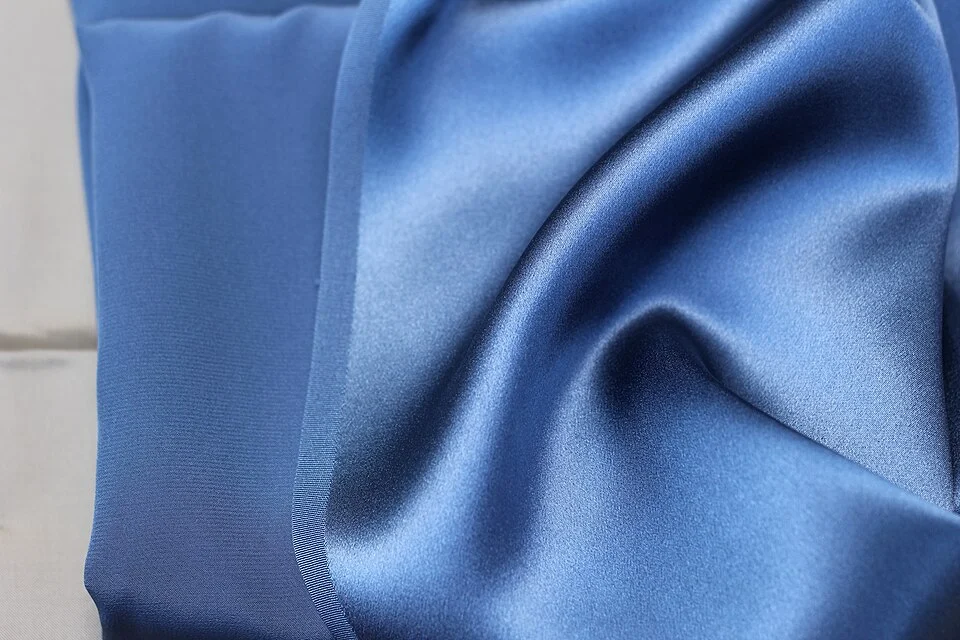
Try the idea: take one black or neutral outfit you already like and change just its surface: smooth next to ribbed, matte next to glossy, or crisp next to soft. A small change in texture can do more than a new colour. See our guide to texture in a black outfit.
What their approaches share—and where they differ
These three are not interchangeable examples of one internet aesthetic. Hoogerdijk's account of building a label begins with the demand for repeatable essentials. Karen talks about gathering references and testing which ideas feel like her. Lisa describes a personal filter based on the pieces she can imagine keeping. Together they suggest a better question for readers: what process behind an outfit can you borrow?
A creator may wear loaned clothes, work with brands or dress for an event. None of that is wrong, but it changes what an image can tell you about everyday dressing. Look for a date, occasion and any partnership label before assuming a look reflects a daily wardrobe. Return to several posts rather than treating one photograph as a biography. Then keep the proportion or styling decision you like and leave the rest.
How to follow the story from here
Start with the linked interviews rather than a reposted photograph. Compare each creator's own words with the outfits they choose to show over time. Our selection is current to October 2026 and may change as their work changes; we will correct specific claims if a source is updated. For a wider set of dated outfit studies, explore the celebrity style notebook. For a closer way to read any image, use our three-question runway guide.
Sources & further looking
Le List Magazine — interview with Elise Hoogerdijk, 16 October 2024Elise Hoogerdijk — public LTK profileTwin Flame The Edit — Karen and Lisa Napoly answer readers' fashion questions, 31 January 2025Getty Images — Karen and Lisa Napoly at Paris Haute Couture Week, 9 July 2026 (licensed photograph; not reproduced here)Historical, material and collection references are linked above. Styling exercises and interpretations are our editorial suggestions.
Continue with the celebrity style guides, or read our editorial policy.