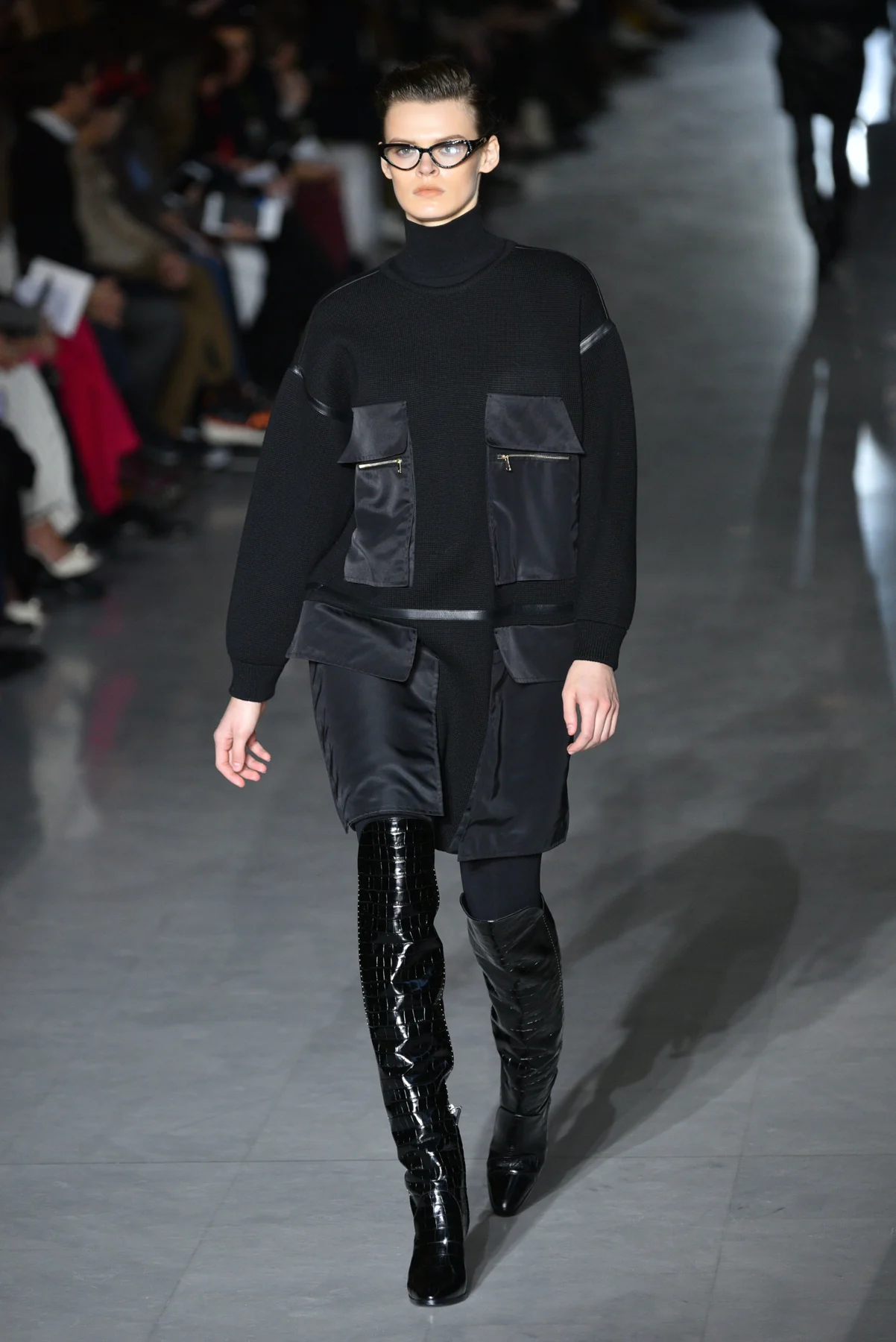
There’s no minimum wool percentage that makes a coat warm. A 50% wool coat can be enough for everyday winter wear if its cloth, closure and fit suit your weather. A 100% wool coat gives you a pure wool outer fabric if that’s what the shell label says. It still leaves three questions open: how the cloth is made, what’s inside and what you can wear underneath.
Start with the shell, then read the lining and fill
The shell is the outer fabric. The lining is the fabric you see on the inside. If there’s fill, that’s a separate layer of insulation between fabrics. Read each line on its own: a polyester lining doesn’t reduce the wool percentage of the shell, and a smooth lining doesn’t tell you there’s padding behind it.
Two Pendleton specifications show why that matters. The Lombard Walker’s shell is 70% wool, 20% nylon and 10% cashmere, with a polyester lining. The Plaid Wool Coat’s shell is 58% wool, 32% polyester and 10% rayon; it has a nylon lining and the maker separately lists a polyester fill. The first has more wool in the shell, while the second explicitly includes a layer of insulation. The listings don’t give us a side-by-side warmth test. They do show why sorting coats by wool percentage alone misses part of the garment.
What the cloth can tell you in person
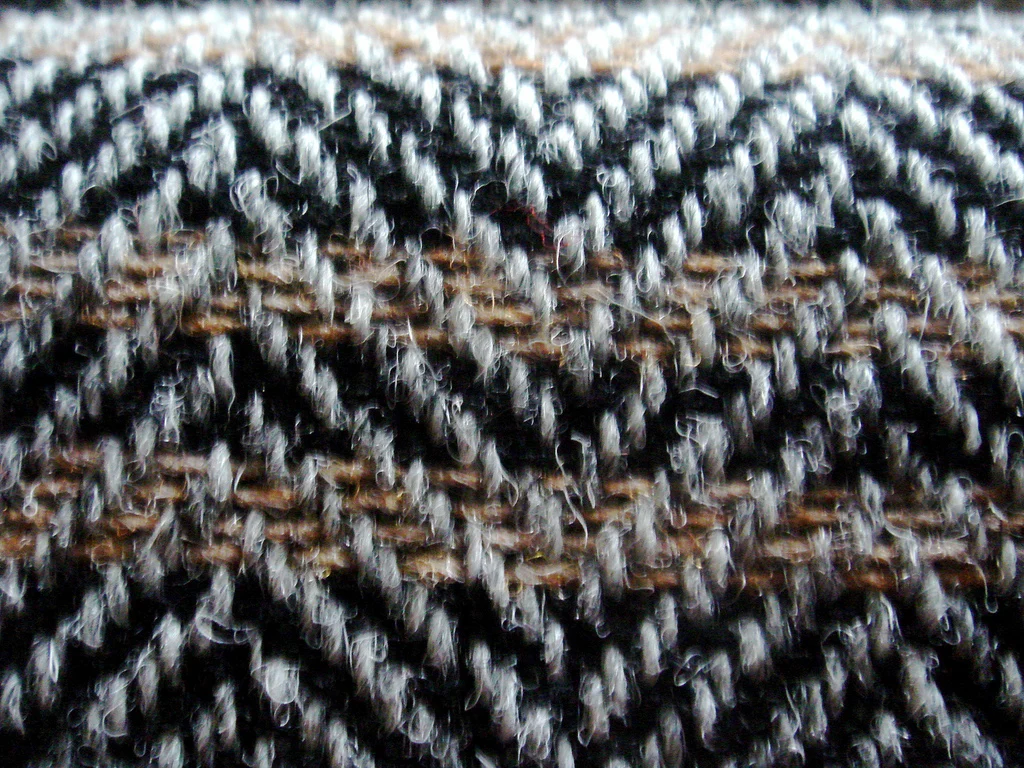
Wool’s natural waviness, called crimp, helps trap insulating air. Once the fibres are made into a coat, the fabric and construction still matter. Compare an exposed cuff or lapel on each coat. A thin, supple outer cloth and a thicker, firmer one can contain the same proportion of wool and feel quite different. A brushed surface can feel cosy under your hand without telling you how the button front will behave in a gust.
Close the coat all the way. Check the overlap down the front, the opening at the neck and how the cuffs meet your jumper or gloves. For a windy commute, those gaps may matter more to you than whether the shell is 60% or 80% wool. For a brief walk between heated spaces, you may prefer a lighter coat you can open easily.
Is 50% wool enough, or should you look for 100%?
Start with how you’ll use it. If you spend a lot of time standing outdoors, look at coverage, insulation and the layers you can fit under the coat. If you mainly want a tailored layer for walking into town, a well-fitting blend may do the job. If fibre composition is the reason you’re shopping, look for the exact percentages rather than relying on a product title like “wool coat” or “cashmere blend.”
When shopping online or secondhand, look for a photo of the full composition and care labels. If the listing shows only the outer cloth, ask for a view of the inside and a flat chest measurement taken with the coat closed. Compare it with a coat you already wear over knitwear. Check the seller’s measuring method before comparing numbers.
A one-minute fitting-room test
- Wear the thickest layer you expect to use regularly. Button or zip the coat without pulling the sides together.
- Reach forward as if holding a bike handlebar or a steering wheel. If the upper back binds or the sleeves drag your jumper up, compare a different cut.
- Sit down with the coat fastened. Check whether it pulls across the hips or rides up more than you like.
- Look inside. Check the lining near the armholes and hem for strain or damage, and read the care label before you decide.
If two coats still feel right, choose the one that works with the layers you actually wear. For the next fitting, see how coat and skirt lengths meet, or return to the fit and fabrics guide.
Sources & further looking
The Woolmark Company — What is the wool fibre?Pendleton — Lombard Wool Walker Coat specificationsPendleton — Plaid Wool Coat specificationsHistorical, material and collection references are linked above. Styling exercises and interpretations are our editorial suggestions.
Continue with the style notes guides, or read our editorial policy.